

Local broadcasting serves an important role in the community, providing essential news, information, and entertainment to Michigan residents. And without skilled engineers and IT specialists, it wouldn’t be possible.
Broadcast and IT engineers are the wizards behind the green curtain, and they’re in high demand. Among the ‘engineering brains’ of the business, these electric and computer science pros can explain how light and sound travel from the station to your living room, how the airwaves pipe sound through your car speakers, and why a snowy satellite dish may mean a 3 a.m. wakeup call.
Without them, there’s no broadcast or podcast, live remote or livestream.
Which sounds like a lot of pressure, but it’s balanced by a non-traditional work schedule, a lot of flexibility, and autonomy. Not to mention the thrill of working in the broadcast media industry.
Which career are you interested in exploring first?
Broadcast engineering manages the technical aspects of over-the-air broadcasting.
Information technology (IT) engineering manages the station’s internal computer systems, networks, data and applications.
Broadcast Engineering requires maintaining and troubleshooting the station’s transmission systems and technical equipment.
Broadcast engineers set up and configure the station’s audio and video equipment. It’s their job to make sure every broadcast meets quality standards.
The job offers a ton of variability and is anything but routine. Of course, regular maintenance and checking the logbooks are among the few (but critical!) routine tasks. But this is definitely not your typical 9-5 job.
Broadcast engineers are called upon (day or night!) to respond to a broadcasting emergency. But that’s balanced by the schedule flexibility, autonomy and variety that come with the job. One day, you may be performing routine tasks at a remote transmission site—the next, you could fixing a satellite issue you’ve never seen before.
If you’re good at quickly assessing what something is, how it works and what it does, you’ll love the puzzle-like fun of broadcast engineering. A lot of what you’ll do involves learning on the fly. Handed a problem, it’s your job to figure out how to fix it.
Usually, there’s only one broadcast engineer at a station, so comradery and teamwork become a big part of the experience. You’ll rely on your colleagues in other parts of Michigan to collaborate and help problem-solve along the way.
As your community’s emergency alert system, it’s critical that systems are well maintained and ready to go. You’ll keep them shipshape so you can ensure weather alerts make it to boaters on Lake Michigan and warn neighbors when it’s time to take cover from an approaching tornado.
Preparation
To become a broadcast engineer, you’ll need a solid foundation in electrical and/or computer engineering. Many of these skills can be self-taught and you can find opportunities to gain hands-on experience like internships, apprenticeships, and entry-level positions at a local station or broadcasting facility.
Try aiming for an associate’s degree or higher in electrical engineering, broadcasting, media production or a related field. There are also programs that focus specifically on broadcasting technology and satellite operations.
Work on building your technical skills in areas such as audio and video recording, signal processing, transmission, and troubleshooting. Online videos, industry conferences, workshops and seminars will help you stay current on industry trends.
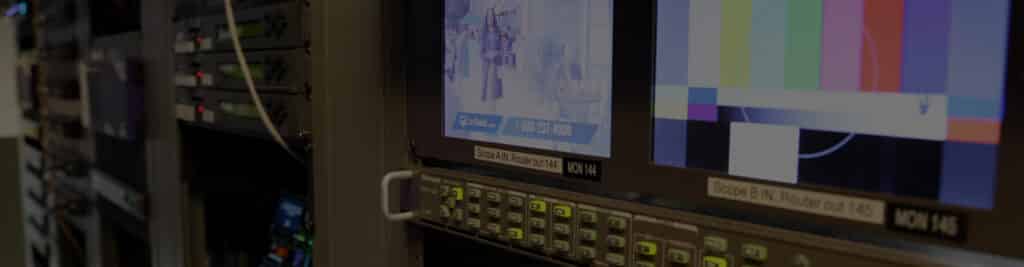
Do you have the right stuff?
Careers in broadcast engineering require a mind for problem solving and well-developed critical thinking abilities. You’ll also need a combination of education and experience in a range of technical areas.
Here are 11 important skills and talents you can develop now that that will help you land a career in broadcast engineering:
• Knowledge and understanding of broadcast systems such as satellite distribution, studio production, master control operations, hardware, software, networking and security protocols; some positions may require experience in database administration, project management or web development.
• Strong technical understanding of audio and video signal processing, routing, and transmission.
• Proficient in broadcast hardware and software, including switchers, encoders, routers, and servers.
• Ability to diagnose and troubleshoot complex technical problems under pressure.
• Excellent communication skills to work effectively with broadcast teams, management, and vendors.
• Knowledge of broadcast regulations and compliance standards.
• Familiarity with emerging technologies and trends in the industry.
• Experience with website development or audio and video editing software can be a plus in the broadcast media environment.
• Ability to communicate effectively in person and in writing, as you interface with departments throughout the station.
• Knack for diagnosing and troubleshooting complex technical problems under pressure.
• Motivated to keep up with emerging technologies and industry trends, and make recommendations as appropriate.
Have IT skills and want to make a difference in your community? Do you communicate well and take pride in keeping people connected?
IT professionals are in high demand in the broadcast media industry. Similar to IT roles in other industries, TV and radio stations rely on IT to perform essential functions like maintaining hardware and software systems; monitoring system performance; storing, managing and backing up data; maintaining network security and other essential IT support services.
Local broadcasting serves an important role in the community, providing essential news, information, and entertainment to Michigan residents. And without skilled IT people like you, it wouldn’t be possible.
Preparation
To become an IT professional in the broadcast media industry, you’ll need a solid foundation in computer science or a related field. Many of these skills can be self-taught. You can find opportunities to gain hands-on experience like internships, apprenticeships, and/or entry-level positions in IT at a media company or broadcasting facility.
Build your technical skills in areas such as networking, data systems management, cybersecurity, hardware and software maintenance. Watching online videos or attending industry conferences, workshops, and seminars will help you stay current on the latest trends.
Consider pursuing an associate’s degree or higher in computer science or a related field. You can also look for programs that focus specifically on IT skills and website development.
Also, attend events and join professional organizations to start building a network of contacts in the industry. This can help you learn about job opportunities and get your foot in the door.
Do you have what it takes?
Careers in IT require a mind for problem solving and well-developed critical thinking skills. You’ll also need a combination of education and experience in a range of technical areas. While the exact competencies required for each position are different, these skills will help you succeed in IT for a broadcast TV or radio station.
• Strong working knowledge of hardware, software, networking and security protocols
• Experience in database administration
• Organized with a knack for project management
• Proficiency in website development
• Familiarity with audio and video editing software
• Ability to communicate effectively in person and in writing
• Flair for diagnosing and troubleshooting complex technical problems under pressure
• Motivated to keep up with emerging technologies and industry trends
Local broadcasting serves an important role in the community, providing essential news, information, and entertainment to Michigan residents. And without skilled engineers and IT specialists, it wouldn’t be possible.
Broadcast and IT engineers are the wizards behind the green curtain, and they’re in high demand. Among the ‘engineering brains’ of the business, these electric and computer science pros can explain how light and sound travel from the station to your living room, how the airwaves pipe sound through your car speakers, and why a snowy satellite dish may mean a 3 a.m. wakeup call.
Without them, there’s no broadcast or podcast, live remote or livestream.
Which sounds like a lot of pressure, but it’s balanced by a non-traditional work schedule, a lot of flexibility, and autonomy. Not to mention the thrill of working in the broadcast media industry.
Which career are you interested in exploring first?
Broadcast engineering manages the technical aspects of over-the-air broadcasting.
Information technology (IT) engineering manages the station’s internal computer systems, networks, data and applications.
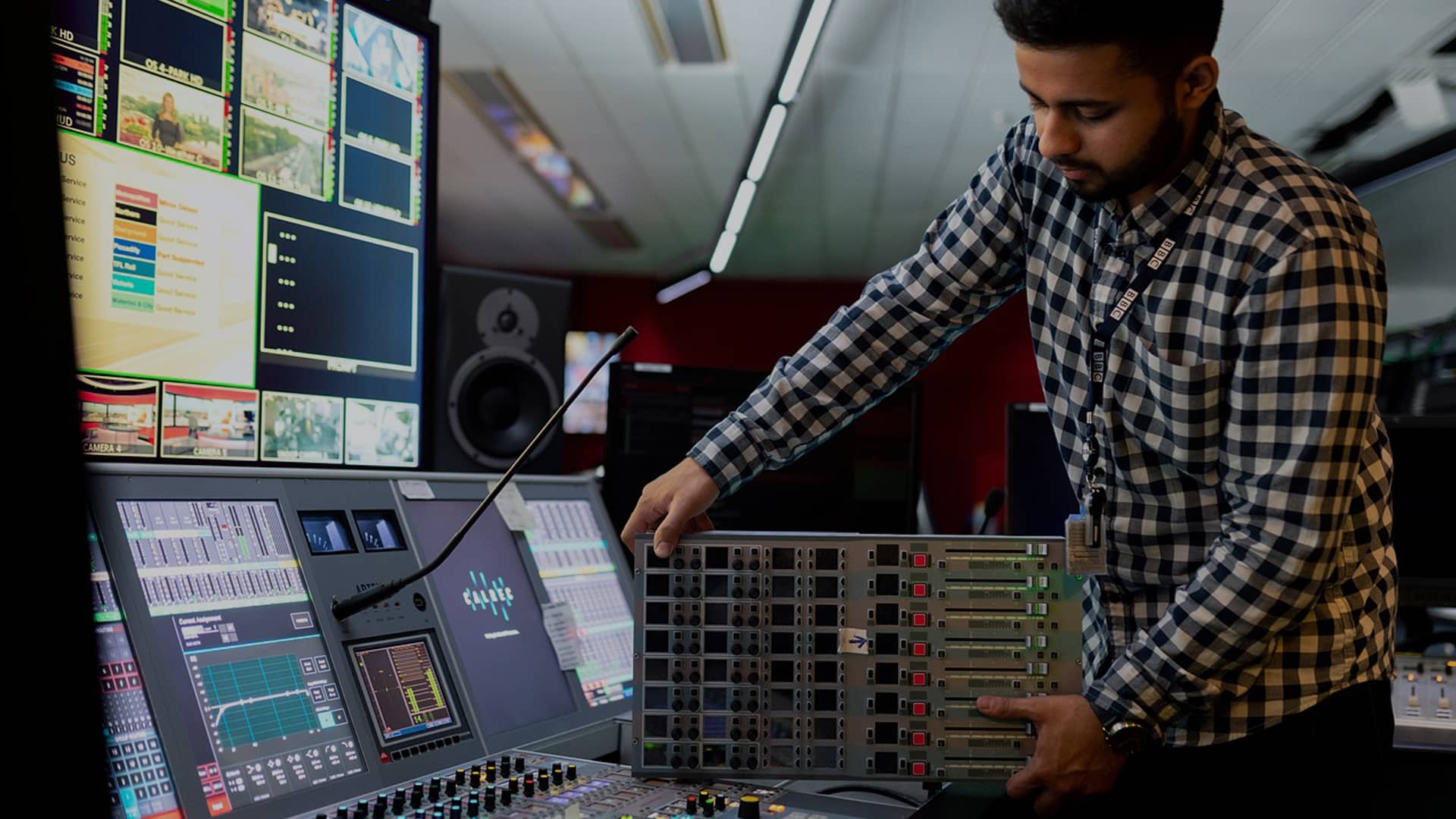
Broadcast Engineering
Broadcast engineering requires maintaining and troubleshooting the station’s transmission systems and technical equipment.
Broadcast engineers set up and configure the station’s audio and video equipment. It’s their job to make sure every broadcast meets quality standards.
The job offers a ton of variability and is anything but routine. Of course, regular maintenance and checking the logbooks are among the few (but critical!) routine tasks. But this is definitely not your typical 9-5 job.
Broadcast engineers are called upon (day or night!) to respond to a broadcasting emergency. But that’s balanced by the schedule flexibility, autonomy and variety that come with the job. One day, you may be performing routine tasks at a remote transmission site—the next, you could fixing a satellite issue you’ve never seen before.
If you’re good at quickly assessing what something is, how it works and what it does, you’ll love the puzzle-like fun of broadcast engineering. A lot of what you’ll do involves learning on the fly. Handed a problem, it’s your job to figure out how to fix it.
Usually, there’s only one broadcast engineer at a station, so comradery and teamwork become a big part of the experience. You’ll rely on your colleagues in other parts of Michigan to collaborate and help problem-solve along the way.
As your community’s emergency alert system, it’s critical that systems are well maintained and ready to go. You’ll keep them shipshape so you can ensure weather alerts make it to boaters on Lake Michigan and warn neighbors when it’s time to take cover from an approaching tornado.
PREPARATION
To become a broadcast engineer, you’ll need a solid foundation in electrical and/or computer engineering. Many of these skills can be self-taught and you can find opportunities to gain hands-on experience like internships, apprenticeships, and entry-level positions at a local station or broadcasting facility.
Try aiming for an associate’s degree or higher in electrical engineering, broadcasting, media production or a related field. There are also programs that focus specifically on broadcasting technology and satellite operations.
Work on building your technical skills in areas such as audio and video recording, signal processing, transmission, and troubleshooting. Online videos, industry conferences, workshops and seminars will help you stay current on industry trends.
Do you have
the right stuff?
Careers in broadcast engineering require a mind for problem solving and well-developed critical thinking abilities. You’ll also need a combination of education and experience in a range of technical areas.
Here are 11 important skills and talents you can develop now that that will help you land a career in broadcast engineering:
• Knowledge and understanding of broadcast systems such as satellite distribution, studio production, master control operations, hardware, software, networking and security protocols; some positions may require experience in database administration, project management or web development.
• Strong technical understanding of audio and video signal processing, routing, and transmission.
• Proficient in broadcast hardware and software, including switchers, encoders, routers, and servers.
• Ability to diagnose and troubleshoot complex technical problems under pressure.
• Excellent communication skills to work effectively with broadcast teams, management, and vendors.
• Knowledge of broadcast regulations and compliance standards.
• Familiarity with emerging technologies and trends in the industry.
• Experience with website development or audio and video editing software can be a plus in the broadcast media environment.
• Ability to communicate effectively in person and in writing, as you interface with departments throughout the station.
• Knack for diagnosing and troubleshooting complex technical problems under pressure.
• Motivated to keep up with emerging technologies and industry trends, and make recommendations as appropriate.
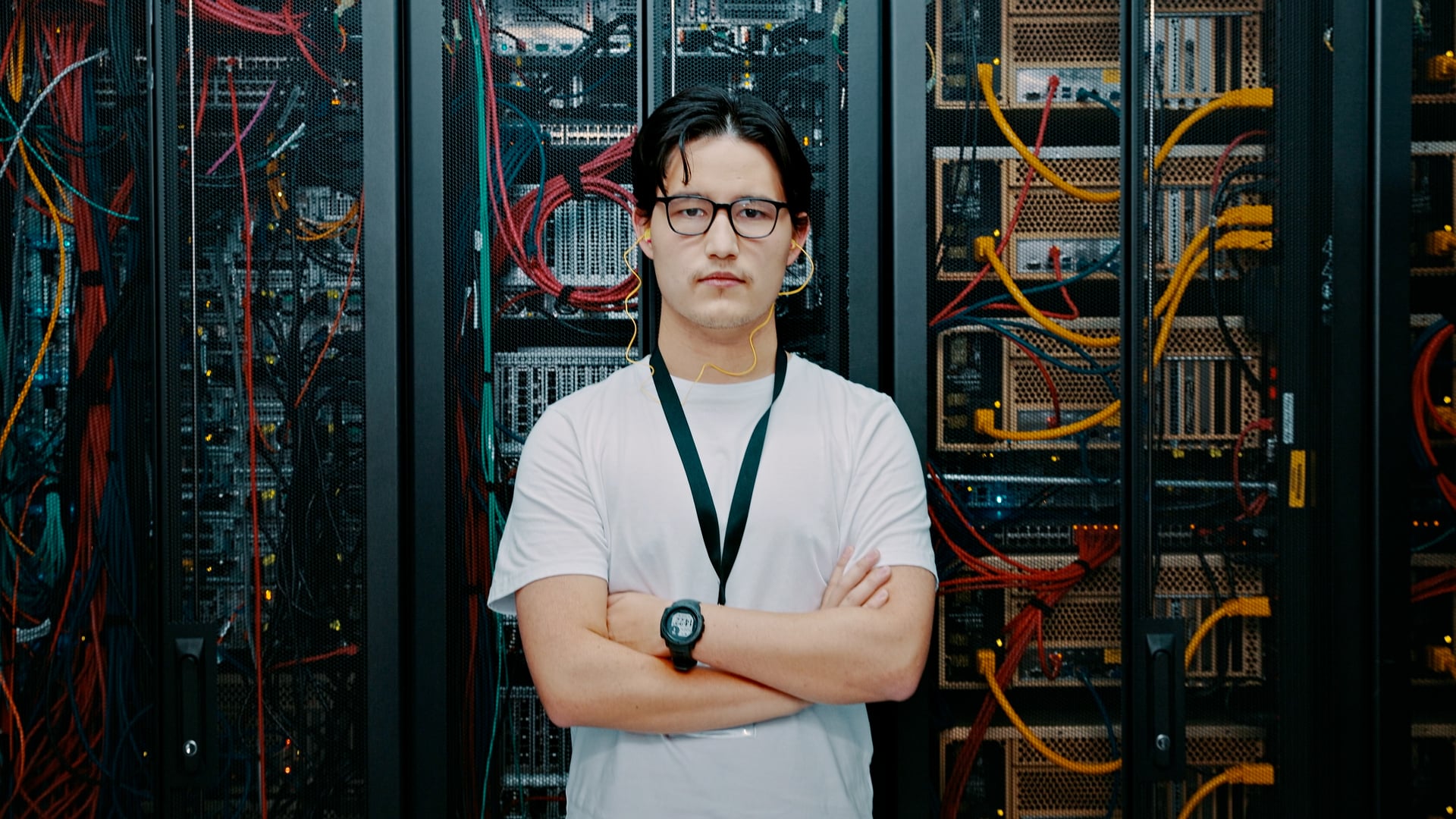
Information Technology
(IT)
Have IT skills and want to make a difference in your community? Do you communicate well and take pride in keeping people connected?
IT professionals are in high demand in the broadcast media industry. Similar to IT roles in other industries, TV and radio stations rely on IT to perform essential functions like maintaining hardware and software systems; monitoring system performance; storing, managing and backing up data; maintaining network security and other essential IT support services.
Local broadcasting serves an important role in the community, providing essential news, information, and entertainment to Michigan residents. And without skilled IT people like you, it wouldn’t be possible.
PREPARATION
To become an IT professional in the broadcast media industry, you’ll need a solid foundation in computer science or a related field. Many of these skills can be self-taught. You can find opportunities to gain hands-on experience like internships, apprenticeships, and/or entry-level positions in IT at a media company or broadcasting facility.
Build your technical skills in areas such as networking, data systems management, cybersecurity, hardware and software maintenance. Watching online videos or attending industry conferences, workshops, and seminars will help you stay current on the latest trends.
Consider pursuing an associate’s degree or higher in computer science or a related field. You can also look for programs that focus specifically on IT skills and website development.
Also, attend events and join professional organizations to start building a network of contacts in the industry. This can help you learn about job opportunities and get your foot in the door.
Do you have
what it takes?
Careers in IT require a mind for problem solving and well-developed critical thinking skills. You’ll also need a combination of education and experience in a range of technical areas. While the exact competencies required for each position are different, these skills will help you succeed in IT for a broadcast TV or radio station.
• Strong working knowledge of hardware, software, networking and security protocols
• Experience in database administration
• Organized with a knack for project management
• Proficiency in website development
• Familiarity with audio and video editing software
• Ability to communicate effectively in person and in writing
• Flair for diagnosing and troubleshooting complex technical problems under pressure
• Motivated to keep up with emerging technologies and industry trends
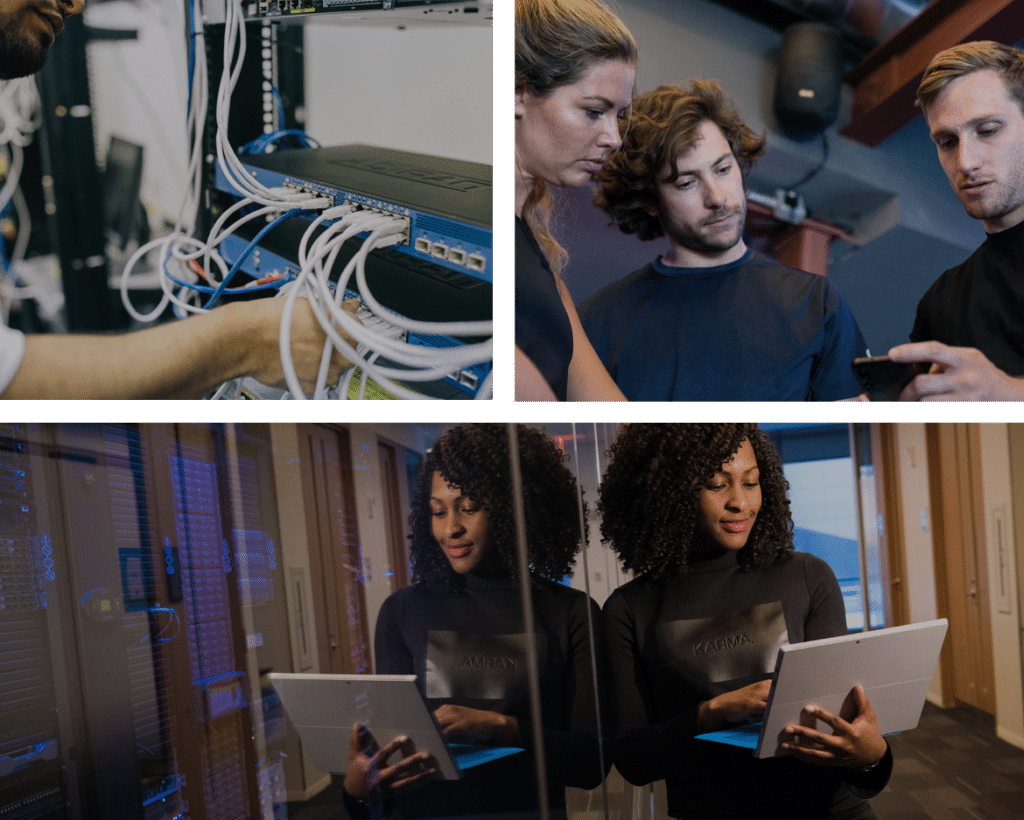
A TEAM EFFORT
Back at the station, it’s all-hands-on-deck and there’s a lot going on. Many people with many talents work to bring everything to life. You’ll experience much together. Trust one another. Lift each other up. Achieve and celebrate together.
Of course, there are other perks of being part of the team. Only one is holding the mic, but there are countless others making it happen. As part of the broadcast media family, you’ll join your colleagues at concerts and sporting events. You’ll encounter the arts, meet interesting people, and go on new adventures. Plus, a press pass is a beautiful thing.
Are you ready to engineer a rewarding career in the broadcasting industry?
Come join us.
A TEAM EFFORT
Back at the station, it’s all-hands-on-deck and there’s a lot going on. Many people with many talents work to bring everything to life. You’ll experience much together. Trust one another. Lift each other up. Achieve and celebrate together.
Of course, there are other perks of being part of the team. Only one is holding the mic, but there are countless others making it happen. As part of the broadcast media family, you’ll join your colleagues at concerts and sporting events. You’ll encounter the arts, meet interesting people, and go on new adventures. Plus, a press pass is a beautiful thing.
Are you ready to engineer a rewarding career in the broadcasting industry?
Come join us.