

Are you excited to showcase the beauty of your community and its people? Are you a creative storyteller who can weave content in a way that people can relate to and enjoy?
A career as a camera operator in the broadcasting industry is a great way to put your photography and videography skills into action. Use your editing skills to piece together what you’ve captured in an engaging way. Through video and still images, you will tell important, fun and inspiring stories.
In broadcast television, no two days are the same. Want a true sense of personal satisfaction and purpose? You’ll be there, with a front-row seat to community happenings. You’ll meet interesting people from all walks of life and document their stories.
From Friday night lights to Saturday storms, local broadcast media delivers important information that hits close to home. It is a crucial platform for those who feel unseen and unheard. It connects people, promotes local events, and helps us understand one another.
Your natural curiosity and ability to build trust will serve you well as you connect with people during extraordinary moments in their lives.
Working as a photographer or videographer, every day presents new challenges. Whether it’s in-studio or on location, you’ll be on the front lines as news, information and entertainment is happening.
Preparation
A bachelor’s degree is preferred, but not necessarily a requirement to be a broadcast videographer. Internship or work experience on a college newspaper, radio station, or television station will be helpful.
Of course, there’s nothing like real-world experience. Consider completing an internship to see if a career in broadcast videography is right for you. Developing a portfolio of your work will help demonstrate your abilities and talents.
What Does it Take?
Five core skills that you’ll need to be successful.
Technical: You’ll need to be proficient in operating a variety of cameras, lenses, microphones, and other equipment. To capture and produce high-quality video content you’ll also need solid lighting, sound recording, and editing skills.
Creativity: To stand out in a highly competitive industry, you’ll need to bring a creative edge to your work. For example, experimenting with different angles, lighting, and compositions can help you capture unique and compelling footage.
Communication: Being able to communicate with others is essential to get your ideas and instructions across, listen attentively to feedback, and build rapport with people from diverse backgrounds.
Time management: To deliver high-quality work under tight deadlines, you’ll need to be able manage your time effectively.
Adaptability: Flexibility in different shooting conditions is important, as is adaptability within the industry. Successful broadcast media camera operators are willing to learn new skills and techniques to stay ahead of the curve.
Are you excited to showcase the beauty of your community and its people? Are you a creative storyteller who can weave content in a way that people can relate to and enjoy?
A career as a camera operator in the broadcasting industry is a great way to put your photography and videography skills into action. Use your editing skills to piece together what you’ve captured in an engaging way. Through video and still images, you will tell important, fun and inspiring stories.
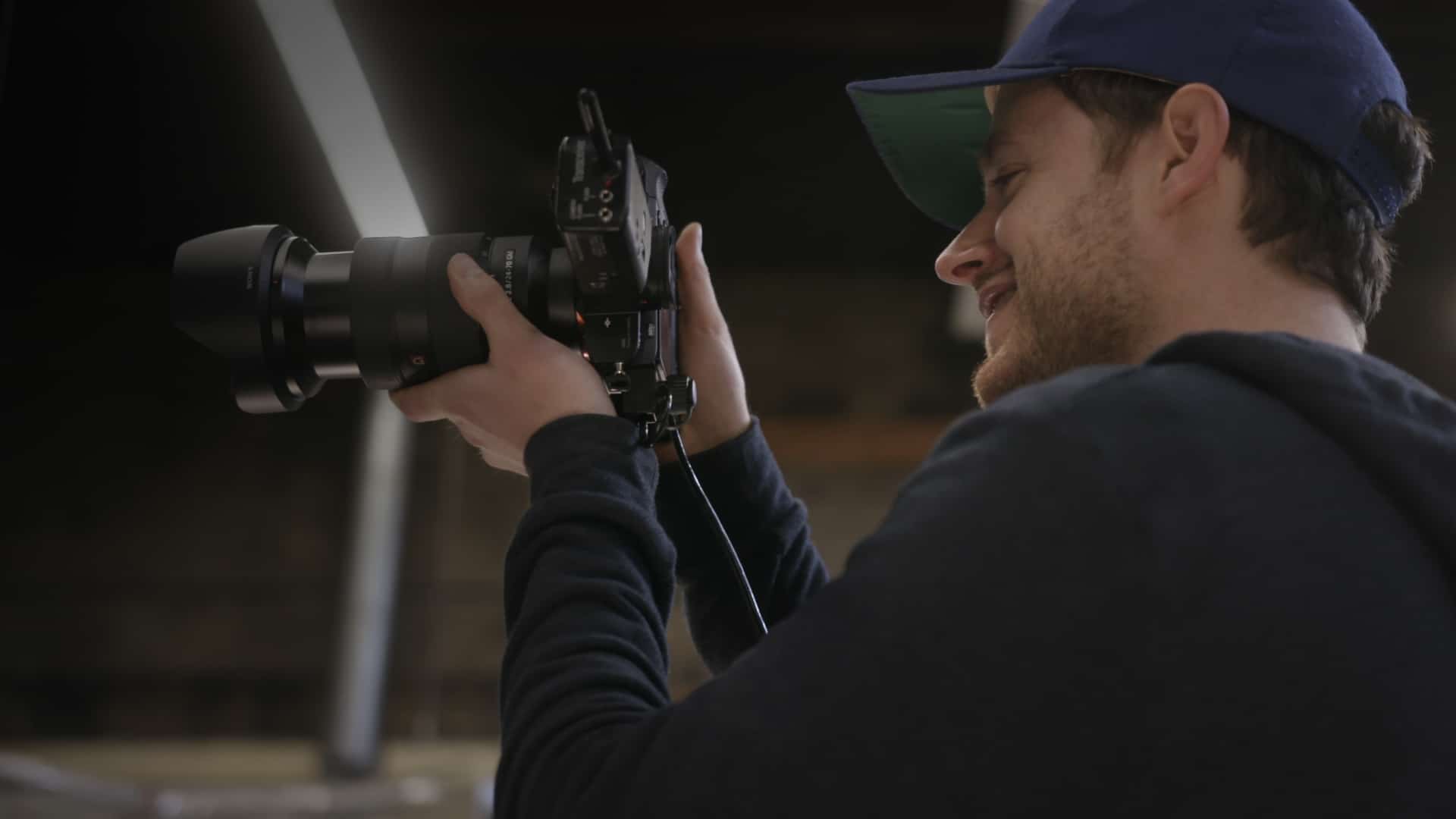
Working as a photographer or videographer, every day presents new challenges. Whether it’s in-studio or on location, you’ll be on the front lines as news, information and entertainment is happening.
In broadcast television, no two days are the same. Want a true sense of personal satisfaction and purpose? You’ll be there, with a front-row seat to community happenings. You’ll meet interesting people from all walks of life and document their stories.
Your natural curiosity and ability to build trust will serve you well as you connect with people during extraordinary moments in their lives.
From Friday night lights to Saturday storms, local broadcast media delivers important information that hits close to home. It is a crucial platform for those who feel unseen and unheard. It connects people, promotes local events, and helps us understand one another.
PREPARATION
A bachelor’s degree is preferred, but not necessarily a requirement to be a broadcast videographer. Internship or work experience on a college newspaper, radio station, or television station will be helpful.
Of course, there’s nothing like real-world experience. Consider completing an internship to see if a career in broadcast videography is right for you. Developing a portfolio of your work will help demonstrate your abilities and talents.
What Does it Take?
Here are five core skills that you’ll need to be successful.
Technical: You’ll need to be proficient in operating a variety of cameras, lenses, microphones, and other equipment. To capture and produce high-quality video content you’ll also need solid lighting, sound recording, and editing skills.
Creativity: To stand out in a highly competitive industry, you’ll need to bring a creative edge to your work. For example, experimenting with different angles, lighting, and compositions can help you capture unique and compelling footage.
Communication: Being able to communicate with others is essential to get your ideas and instructions across, listen attentively to feedback, and build rapport with people from diverse backgrounds.
Time management: To deliver high-quality work under tight deadlines, you’ll need to be able manage your time effectively.
Adaptability: Flexibility in different shooting conditions is important, as is adaptability within the industry. Successful broadcast media camera operators are willing to learn new skills and techniques to stay ahead of the curve.
A TEAM EFFORT
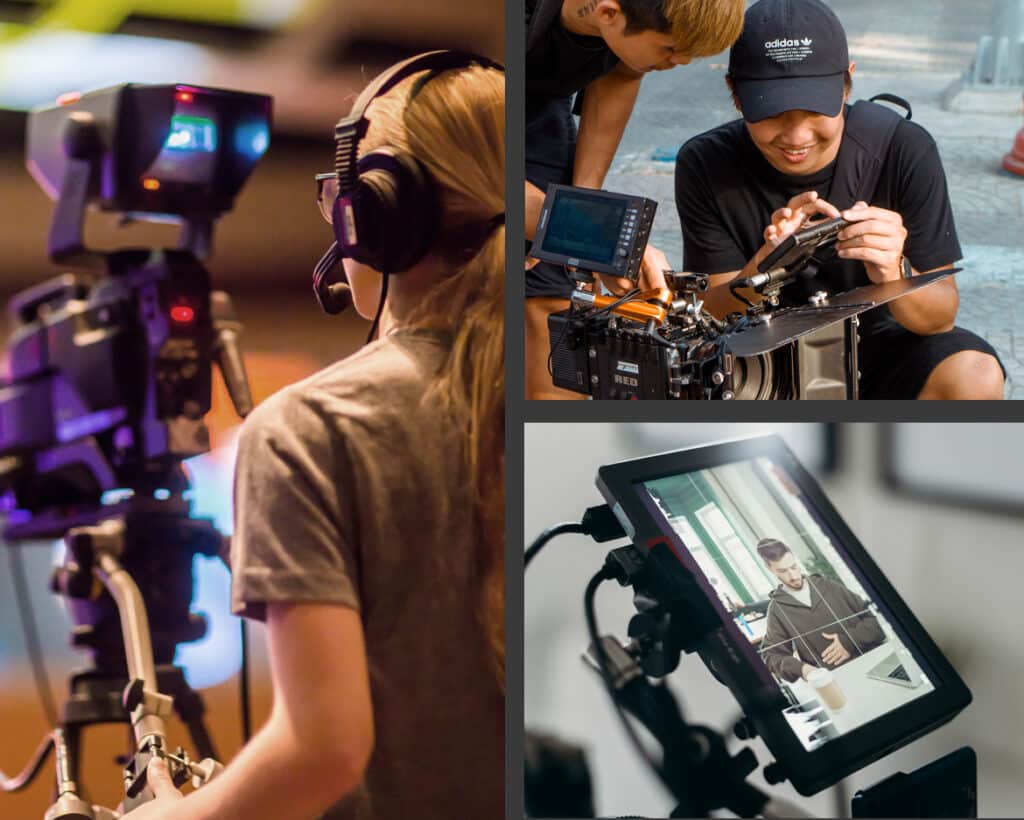
Comradery and teamwork are a big part of the broadcast experience. You’ll need to be able to communicate effectively with others and be part of the team effort.
There are a lot of moving parts to every broadcast. It takes a lot of people working together in synchrony to bring everything to life.
You’ll experience a lot together. Trust one another. Lift each other up. Achieve and celebrate together.
Of course, there are other perks of being part of the team. You’ll join your colleagues at concerts and sporting events, meet interesting people and encounter the arts. Plus, a press pass is a beautiful thing.
Can you picture it?
A TEAM EFFORT
Comradery and teamwork are a big part of the broadcast experience. You’ll need to be able to communicate effectively with others and be part of the team effort.
There are a lot of moving parts to every broadcast. It takes a lot of people working together in synchrony to bring everything to life.
You’ll experience a lot together. Trust one another. Lift each other up. Achieve and celebrate together.
Of course, there are other perks of being part of the team. You’ll join your colleagues at concerts and sporting events, meet interesting people and encounter the arts. Plus, a press pass is a beautiful thing.
Can You Picture It?